

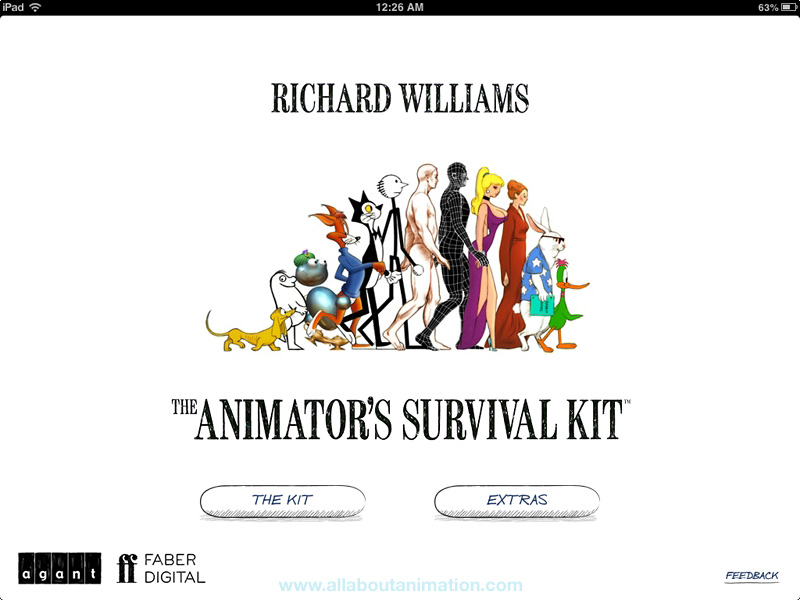
Richard Williams is a name familiar to anyone who is seriously interested in animation. (If you call yourself an animator and don’t know who he is, I suggest you get out from under that rock and go check this out. And this too.)
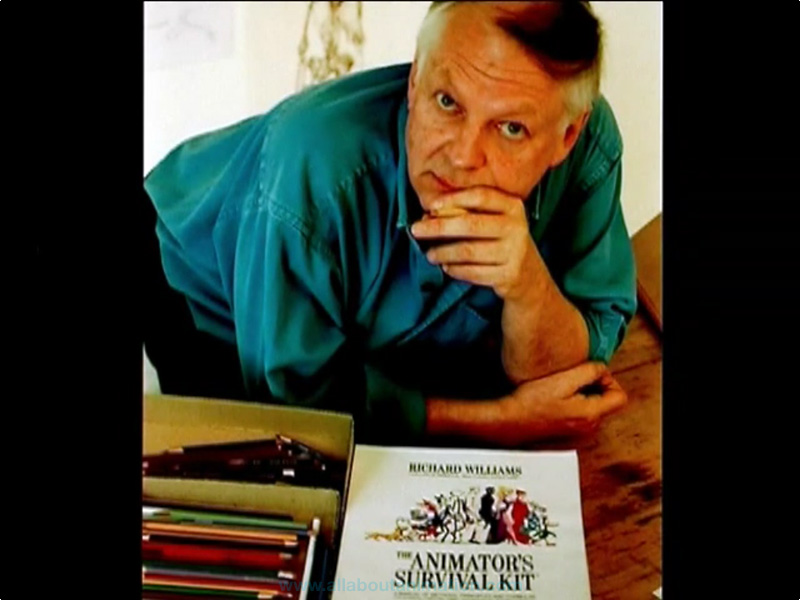
A triple Oscar winner (he directed the animation for Who Framed Roger Rabbit) and Richard Williams is an animation teacher for an entire generation of animators, Richard Williams’ animation guide, “The Animator’s Survival Kit” (in his own words, a manual of methods, principles and formulas for classical, computer, games, stop motion and internet animators) is the Holy Book for all animators.
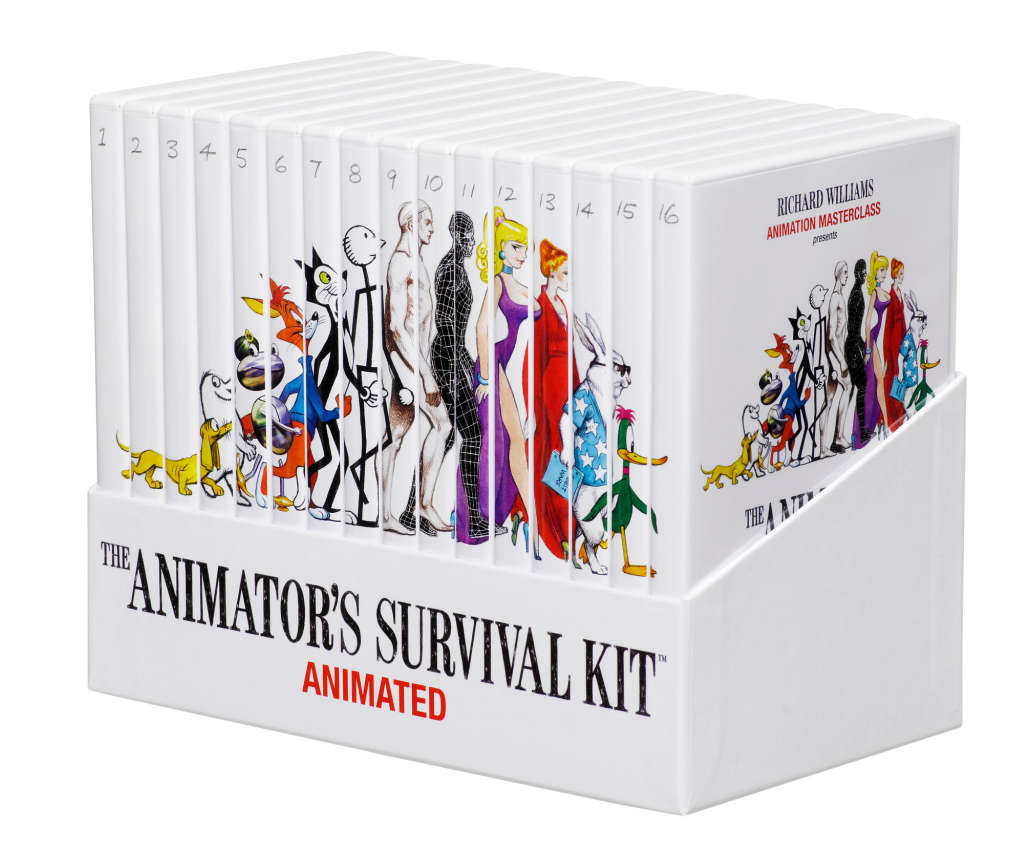
The book has been a blessing for aspiring animators the world over, the detailed drawings and hand-written instructions makes you feel like you are attending a personalised class with Richard Williams himself. The 16 DVD box set released later combined videos from his Masterclasses with over 400 specially animated examples – there couldn’t possibly be a richer resource for animators. But at approx. INR 54,000, most Indian animators couldn’t afford the DVDs and had to be happy with just the book.
But now, to coincide with Richard Williams’ 80th birthday, the iPad App for The Animator’s Survival Kit has been launched. We are indeed very lucky that someone as legendary as Richard Williams has adopted the latest technology so enthusiastically making his knowledge available to more and more aspiring animators. Just imagine! You have your own personal animation teacher with you, everywhere you go. A ready reckoner, no matter what kind of animation you are working on – classical 2D, CGI, stop-motion, flash…
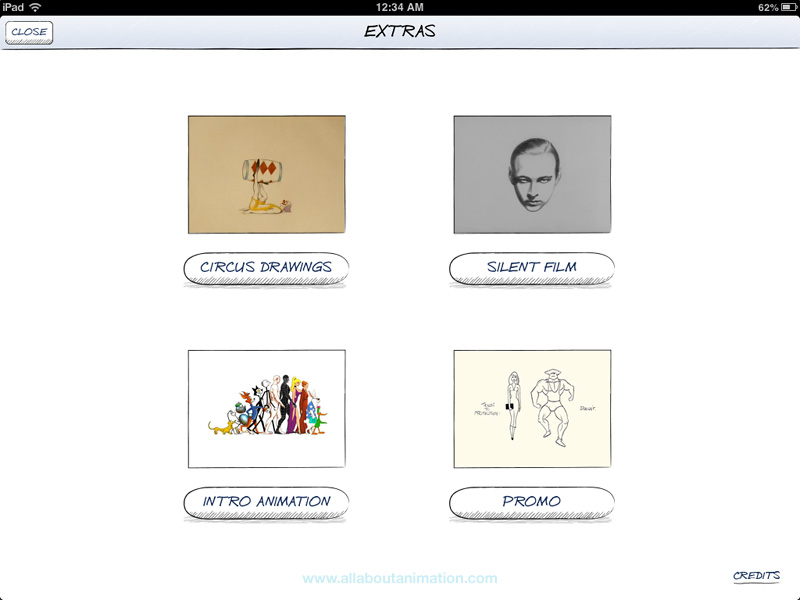
Not only does the app have content from ‘The Animator’s Survival Kit’ book as well as the ‘Expanded Edition’, there are over 100 animated examples from ‘The Animator’s Survival Kit Animated’ DVD box set, allowing you to scrub back and forth to view the animation frame by frame. Besides this, there is bonus material in the form of previously unreleased animations by Richard Williams, including:
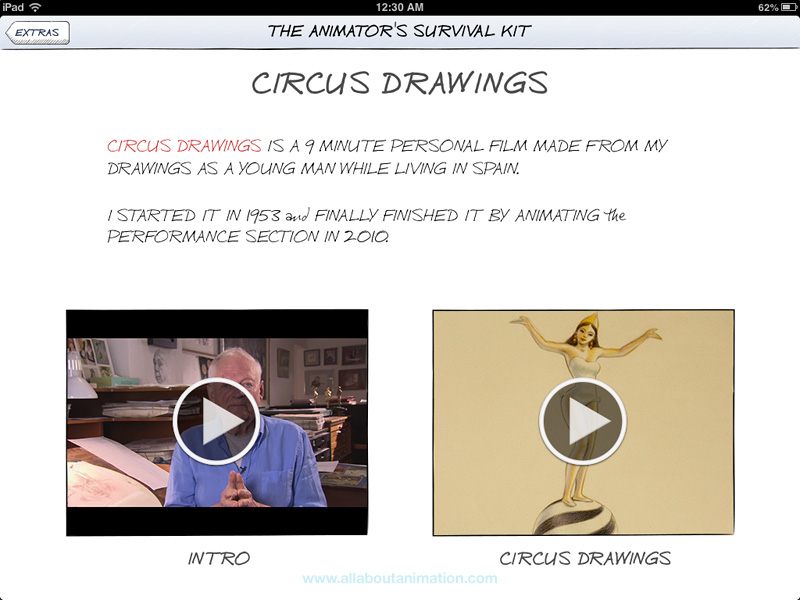
- a 9-minute personal film, ‘Circus Drawings’, animated from drawings made by him as a young man during his stay in Spain,
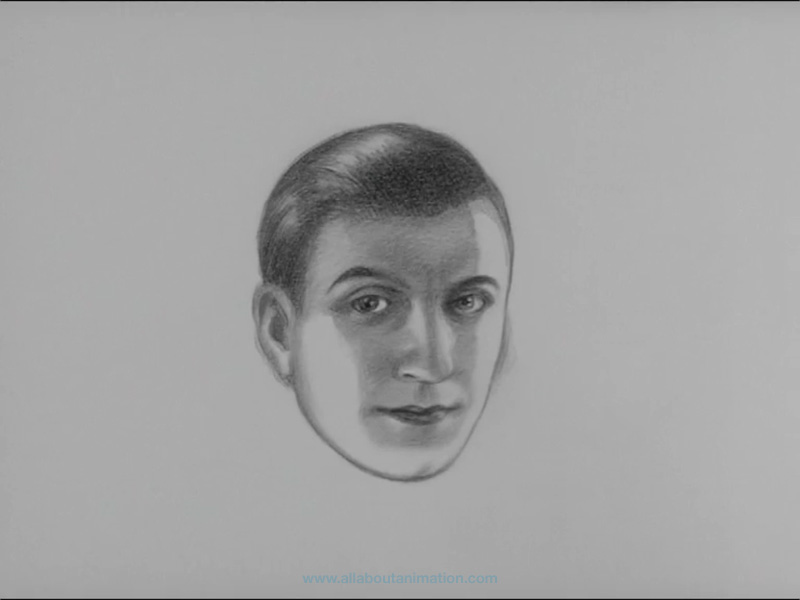
- the Silent Film Logo animated by Williams for the Pordenone Silent Film Festival in 2010 (morphing the faces of several famous movie stars from the silent era into one another),
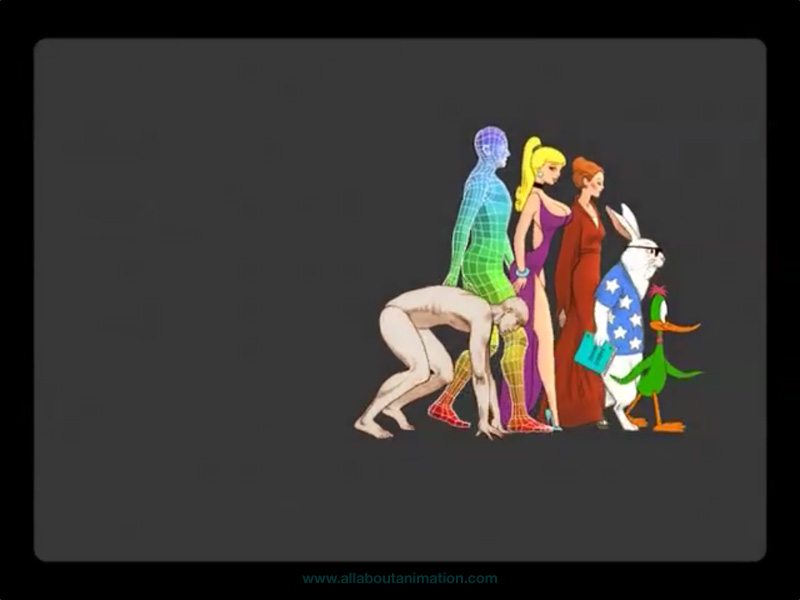
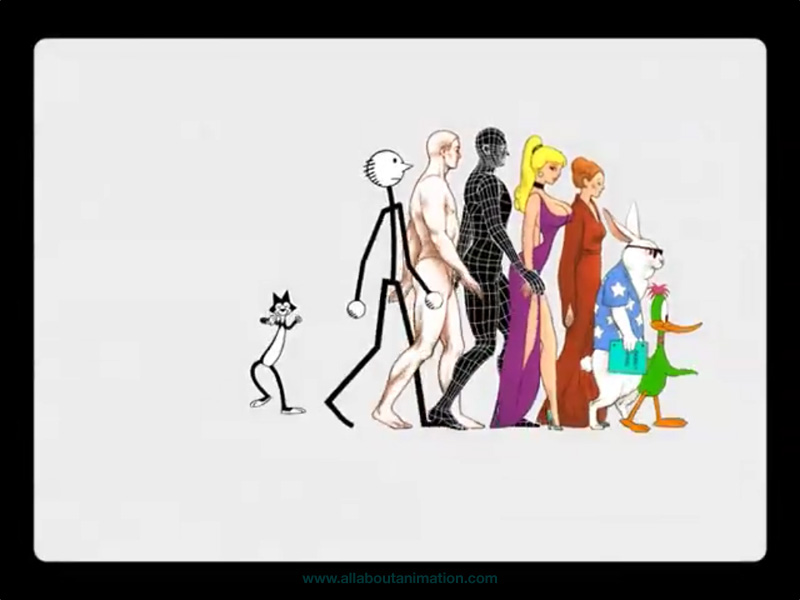
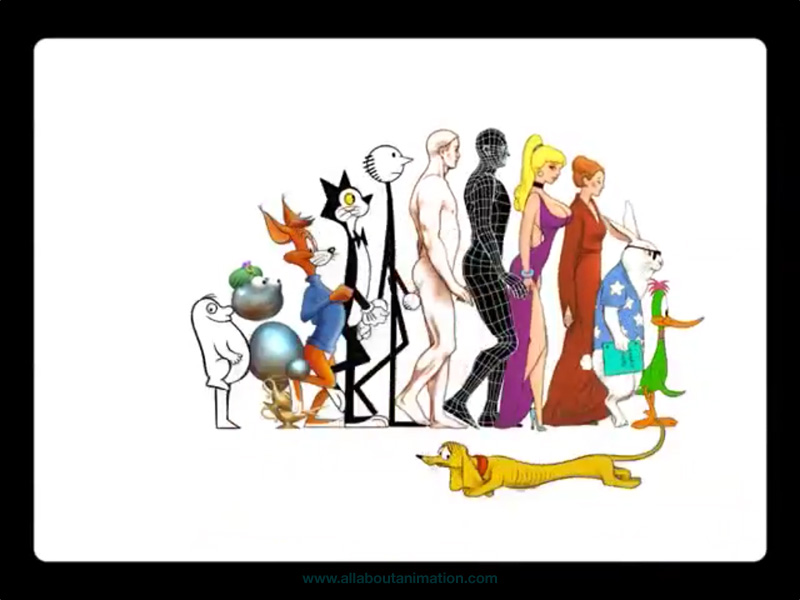
- the 2 minute animated logo for (watch it here) based on the famous design from the book cover,
- and a 9 minute promotional film for the DVD box set.
Each one of these has a special intro video by Richard Williams.
The Extras
Circus Drawings Animation
The Silent Film Logo
The Animator’s Survival Kit – Animation

 |
 |
 |
 |
DVD Box Set Promo
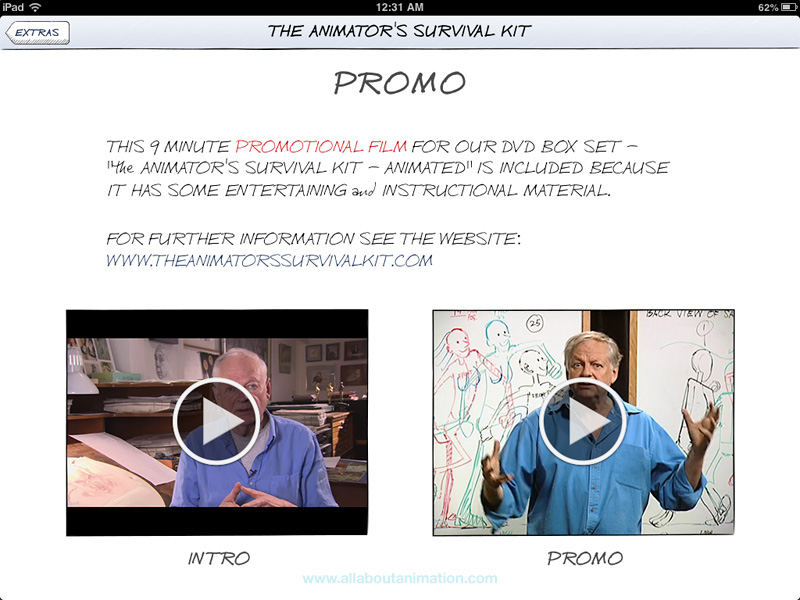
Richard Williams himself introducing various sections of the iPad App
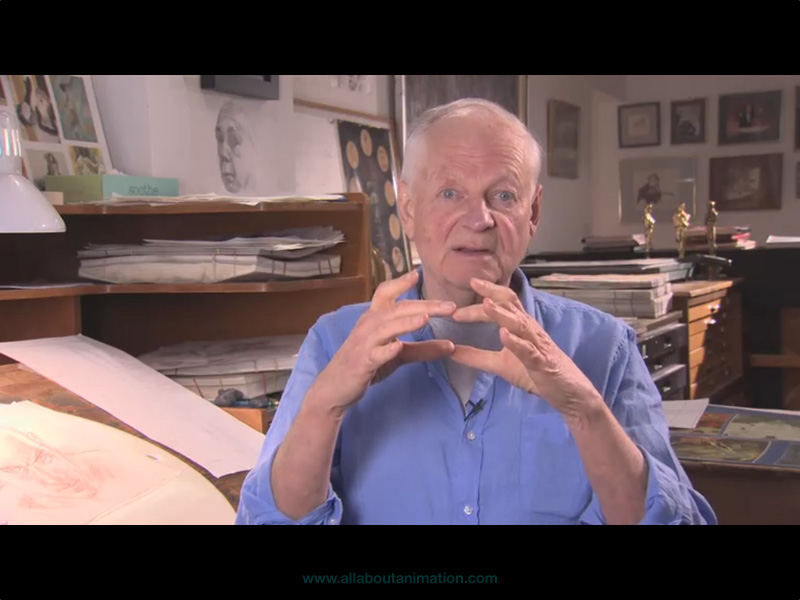
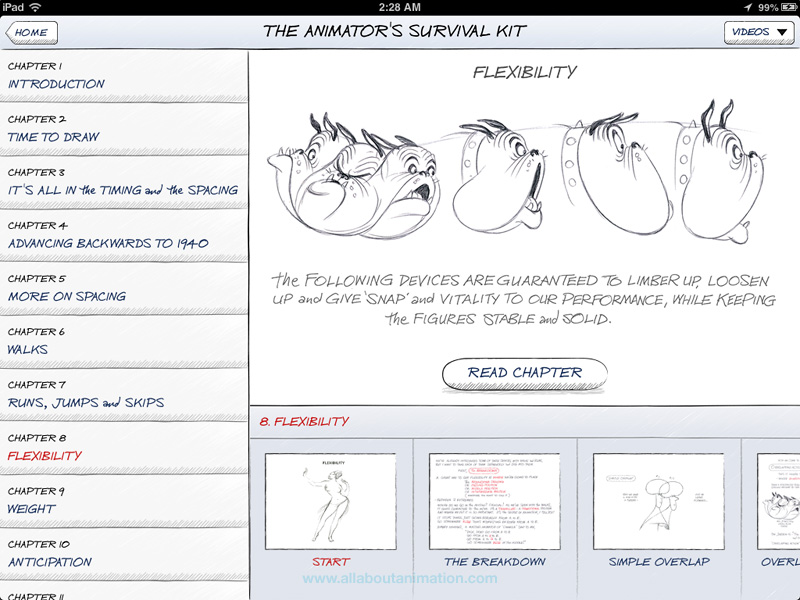
Animators in India unfortunately have never been able to actually attend any of Williams’ masterclasses. So the book has been a much cherished possession for almost all of them. The iPad app goes a few steps further by incorporating videos of Richard Williams introducing the topics and several animated examples. The 17 chapters are exactly the same as in the book, but each one comes with a lot of interactive extra material that is possible only on a tablet. The UI is absolutely intuitive, allowing you to go directly to any chapter, any lesson or any video that you may want to dive into. Of course, you may also go step by step, studying a chapter at a time, taking your time to practise each lesson thoroughly, just as recommended by Williams.

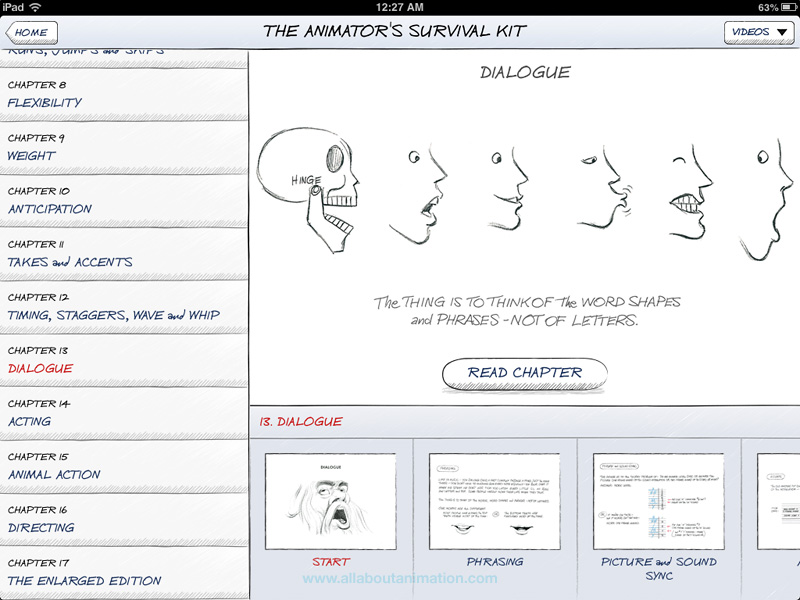
You can directly jump to the videos/animations by clicking the link on the top right corner. There is plenty of tapping and scrolling, the book lending itself perfectly to the medium, enhancing the learning experience.
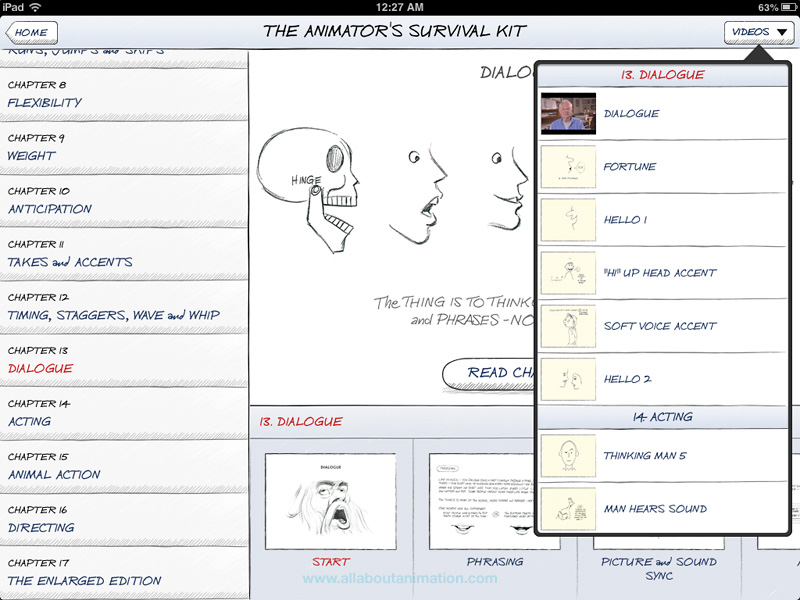
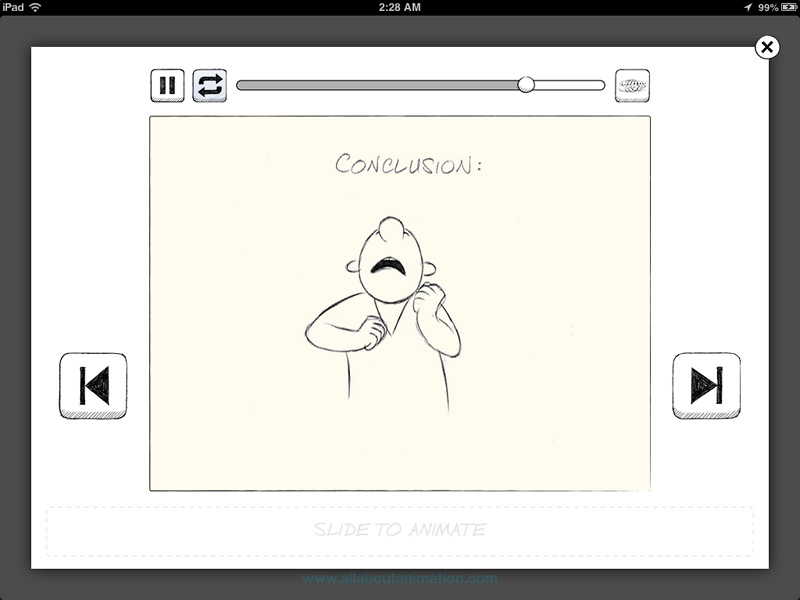
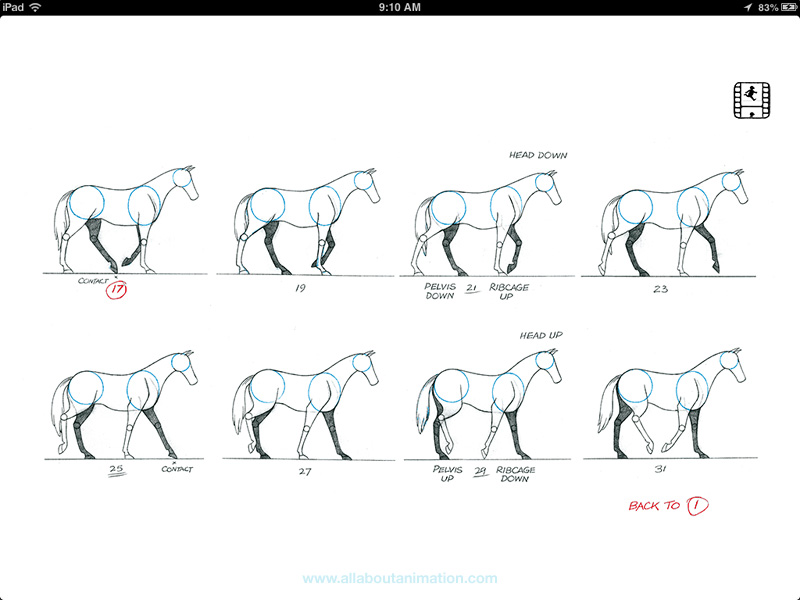
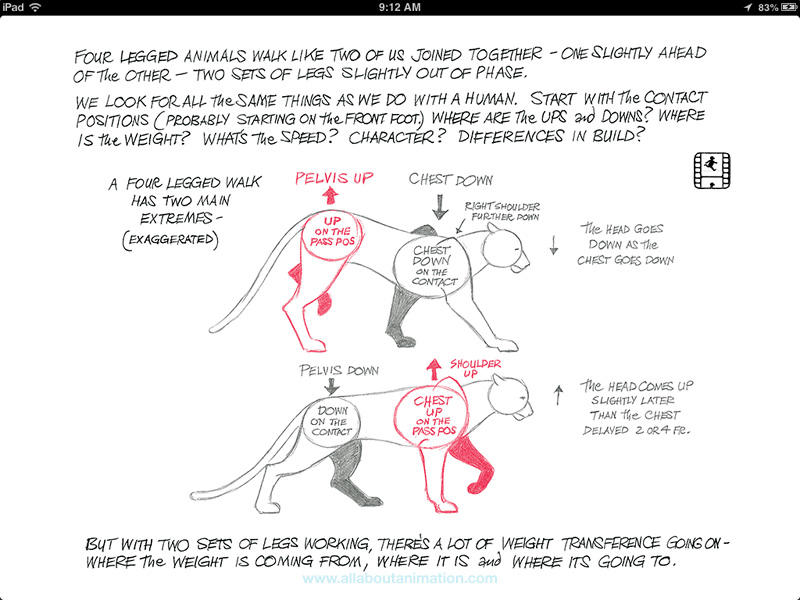
All the important technical information is explained using drawn examples so that even a complete newbie animator will grasp the basics of animation, slowly advancing through the chapters, practising and mastering skills along the way. Charts, in-betweens, keys, arcs, weight, tempo, walk cycles, flexibility, anticipation, dialogue, acting… he doesn’t leave out a thing. From the bouncing ball that’s like the A-B-C of animation to advanced tips for directing animation, the Animator’s Survival Kit teaches you EVERYTHING!
 |
 |
 |
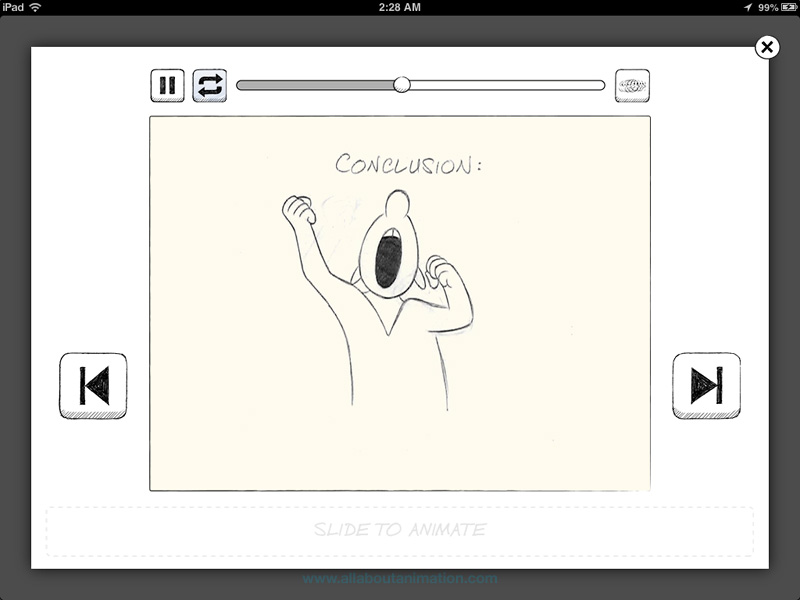 |
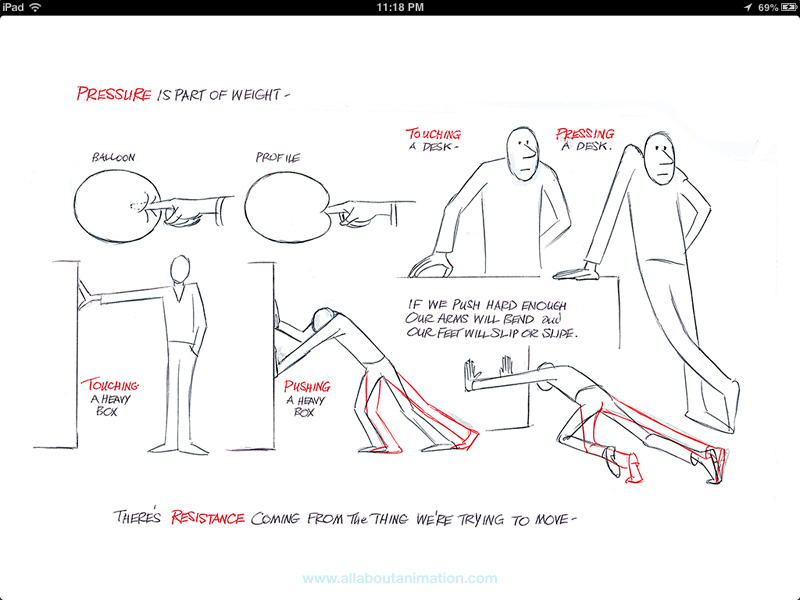
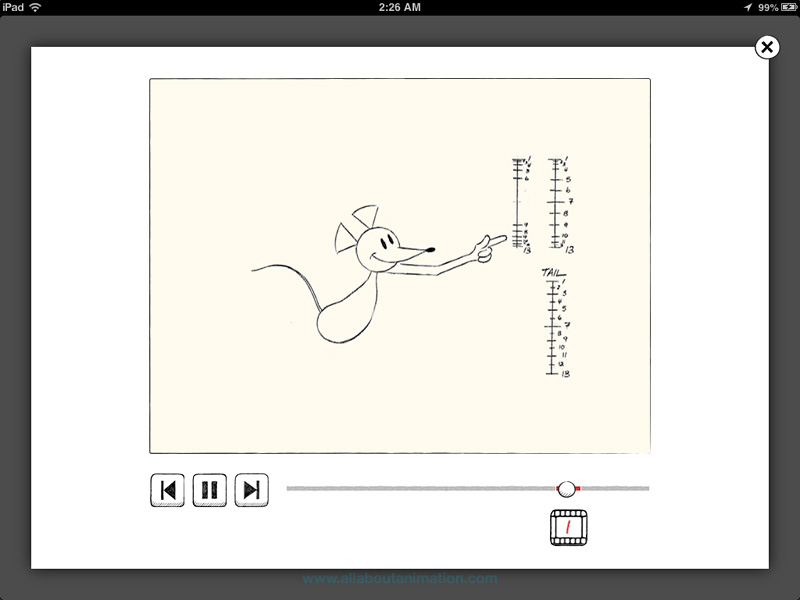
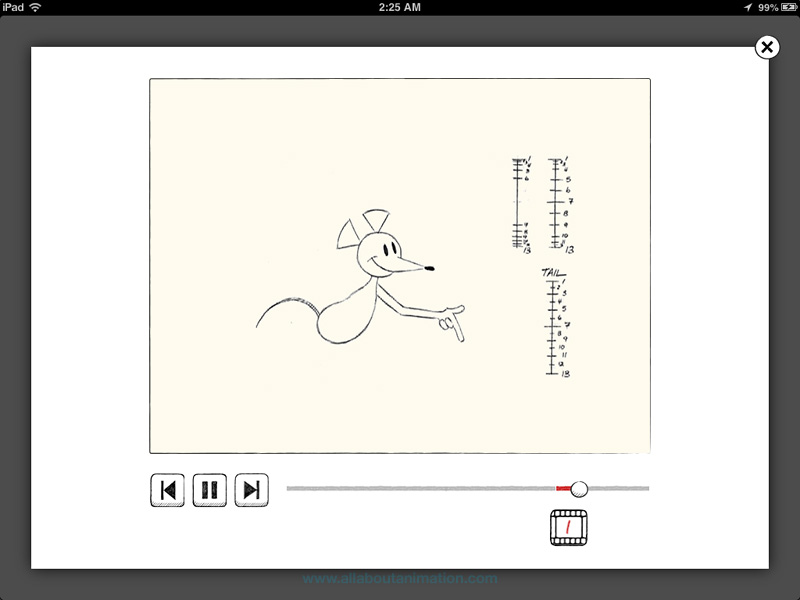
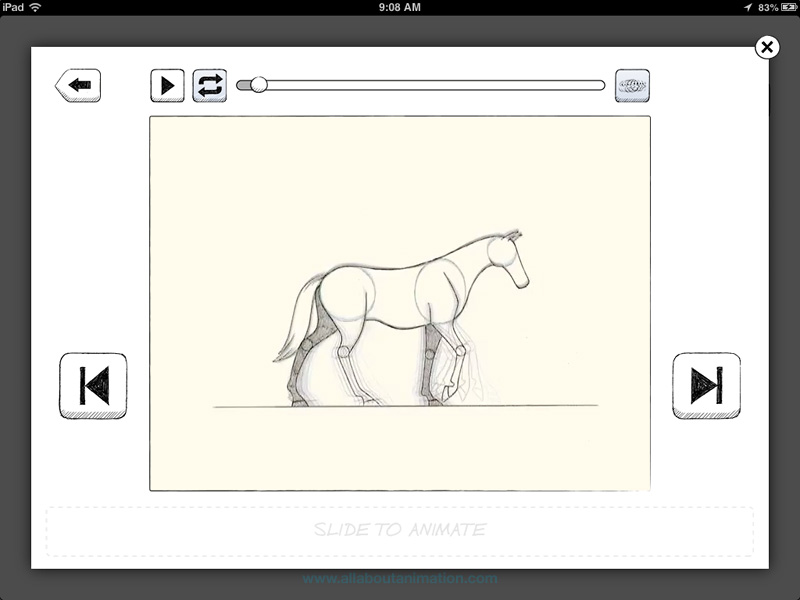
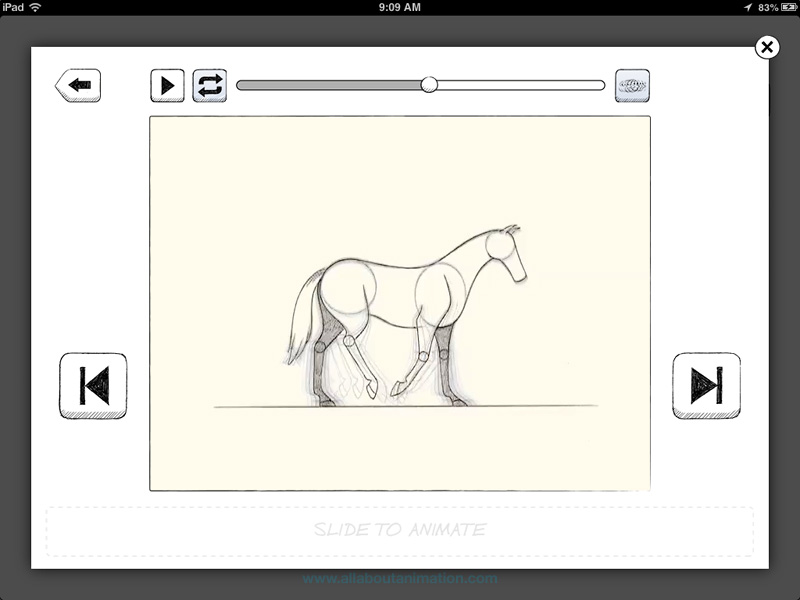
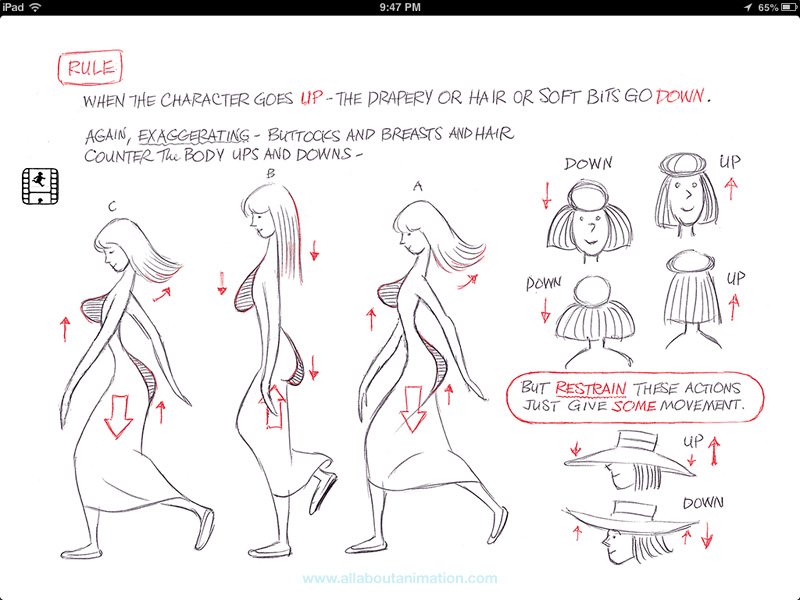
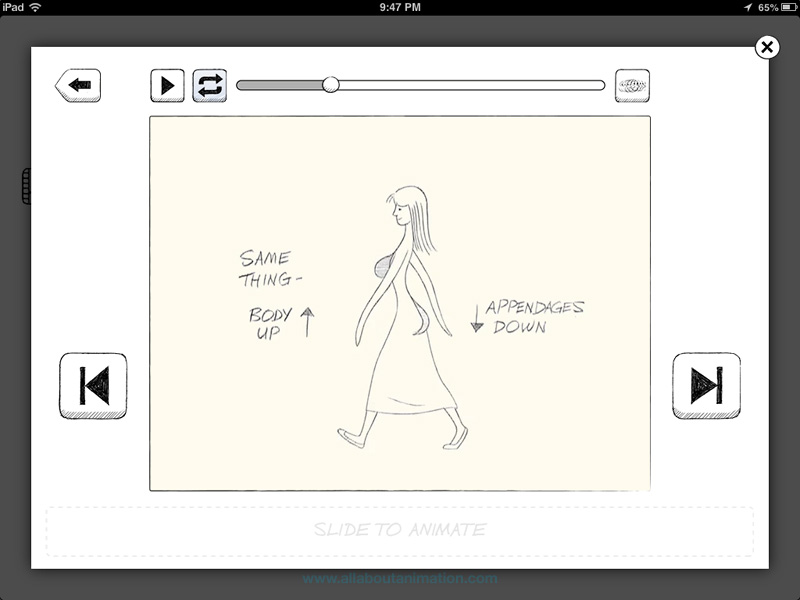
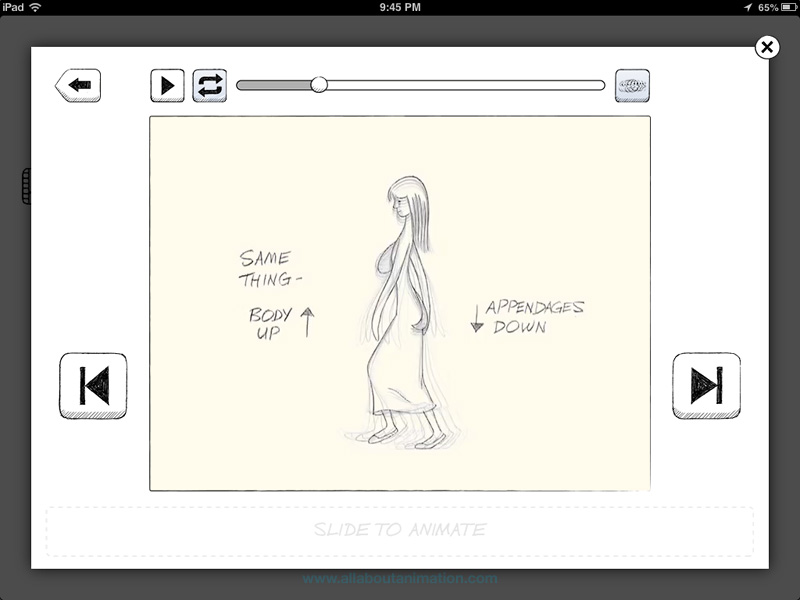
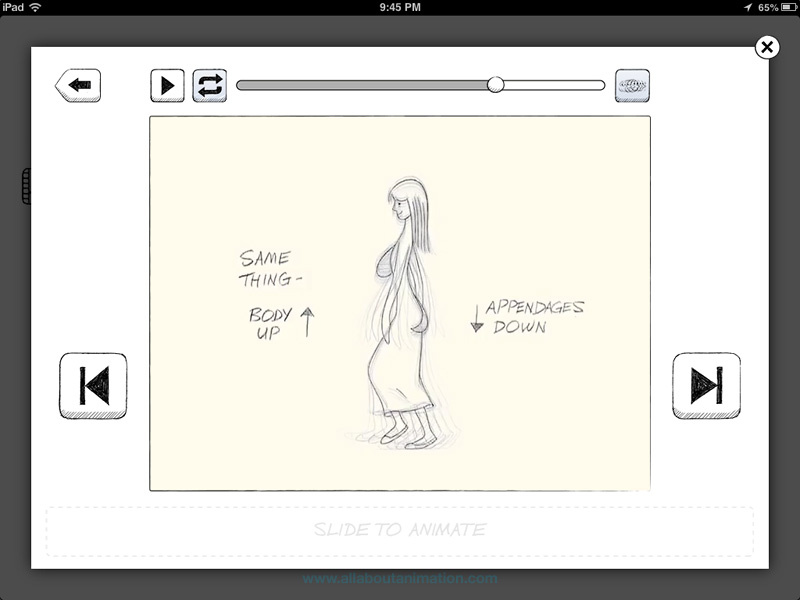
Despite technical limitations that prevent it from having as much video content as the DVDs, the iPad App covers a lot of ground. Making the most of the technology, it allows you to view animation frame by frame automatically and also by scrubbing back and forth. Not only that – they have incorporated onion-skinning on some of the examples – so you can study the movement in detail, comparing each frame with previous and next ones.
 |
 |
 |
 |
 |
 |
 |
 |
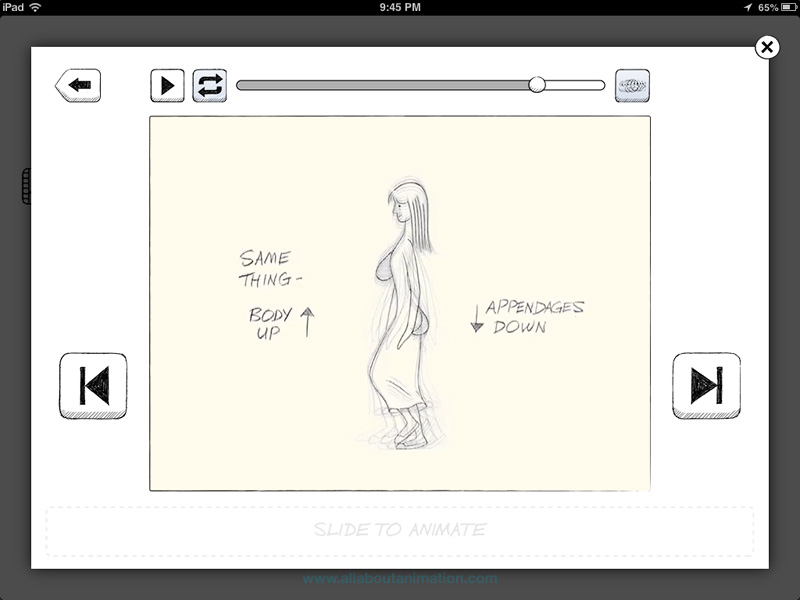 |
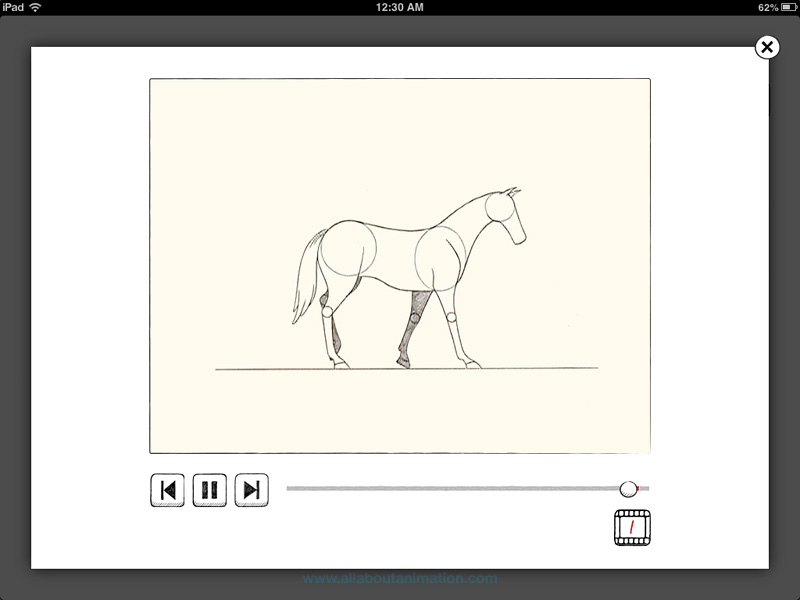
And you can’t get more in-depth learning about walk cycles than this…
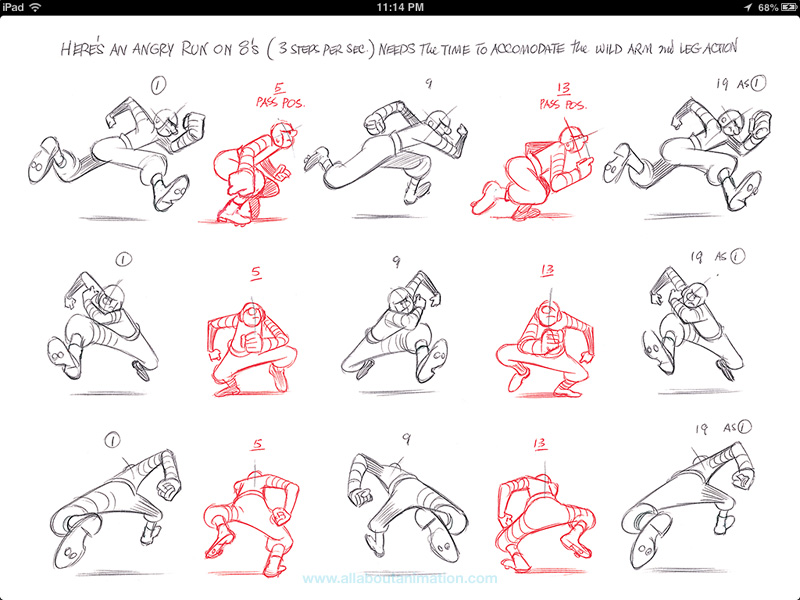
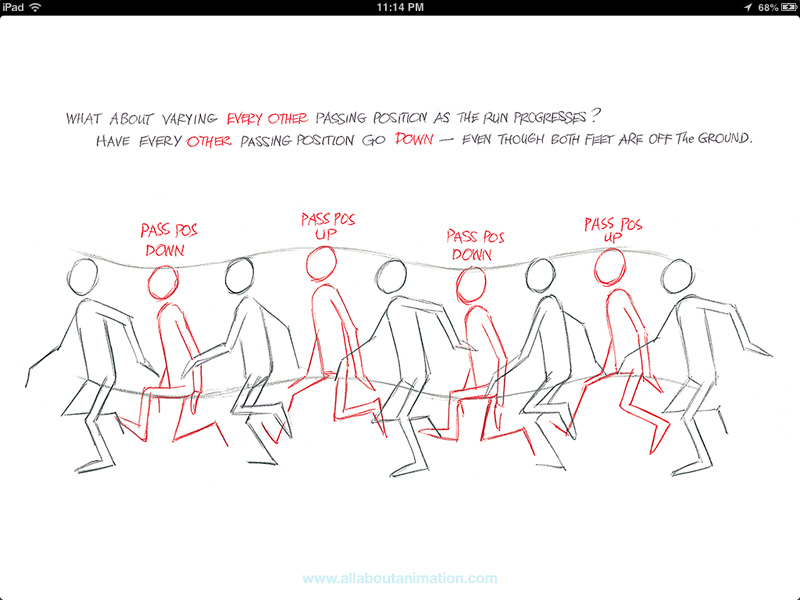
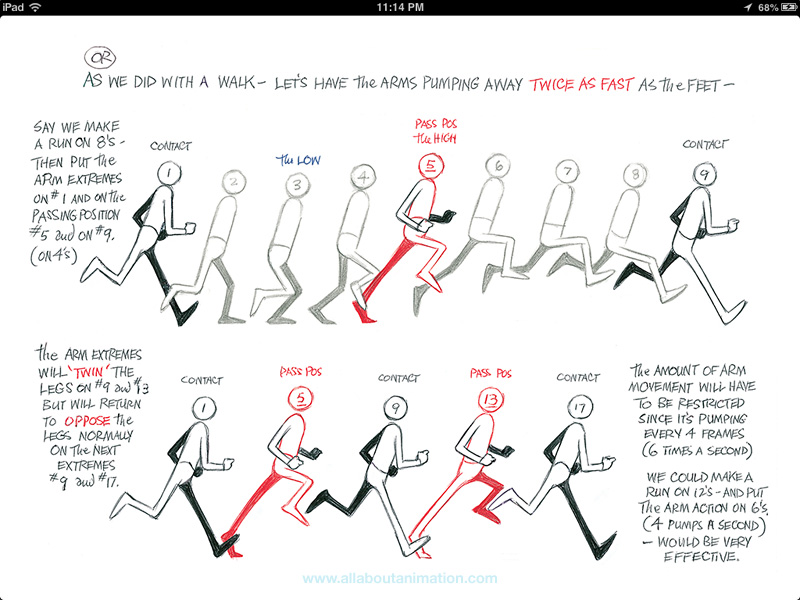
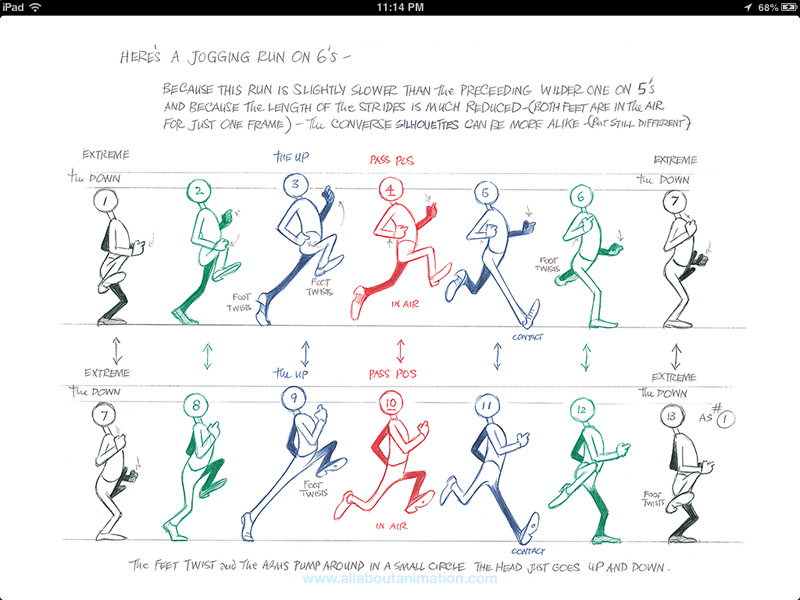
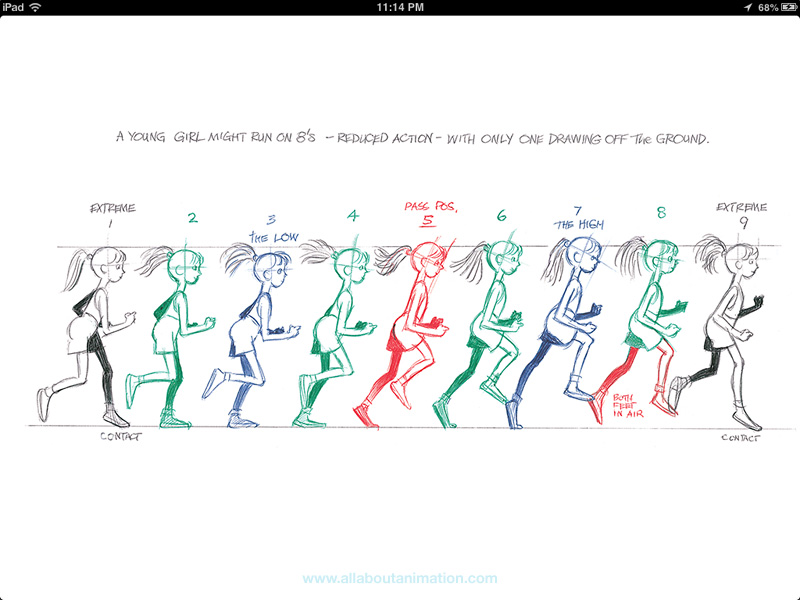
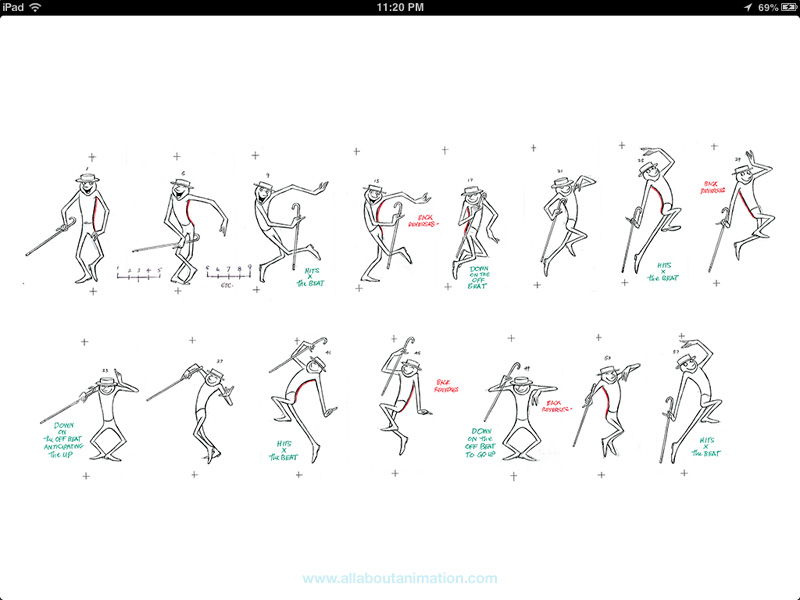
At the end there is the ‘Enlarged Edition’, some really useful additional learning material, which to quote Richard Williams, if you are able to digest, you can do anything.
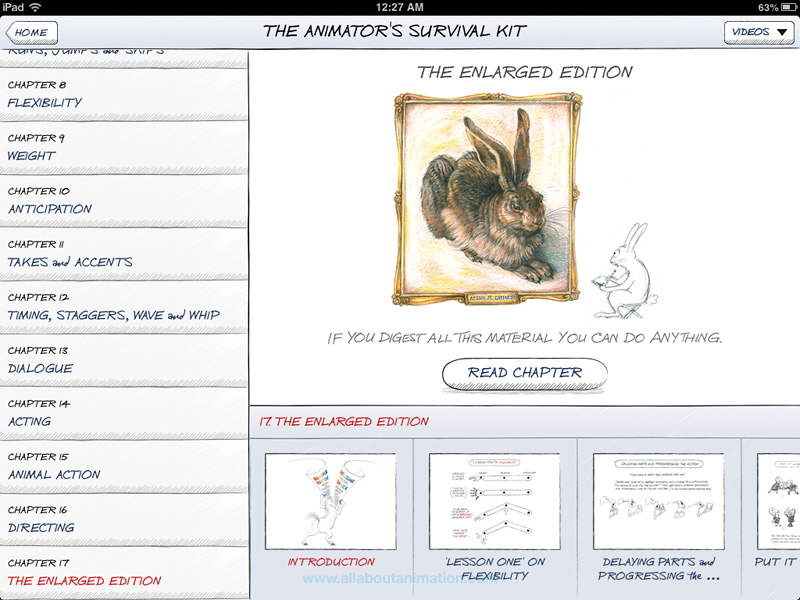
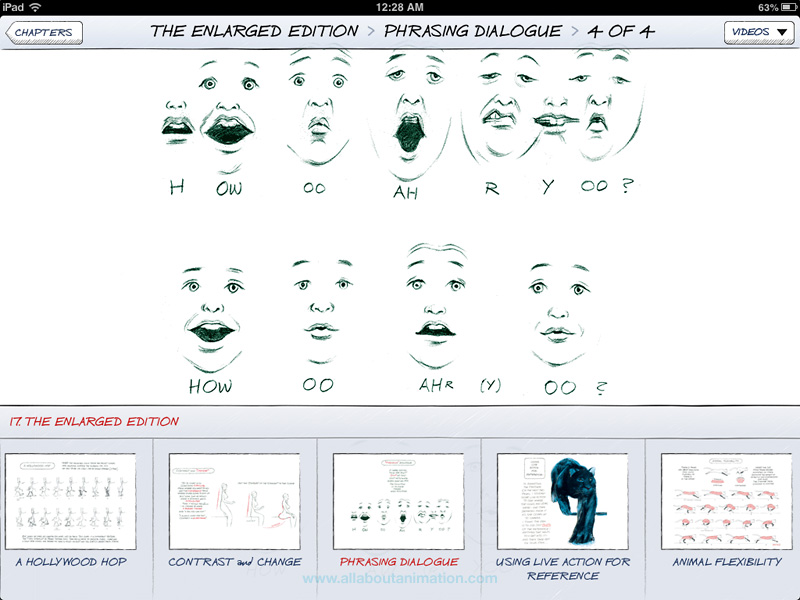
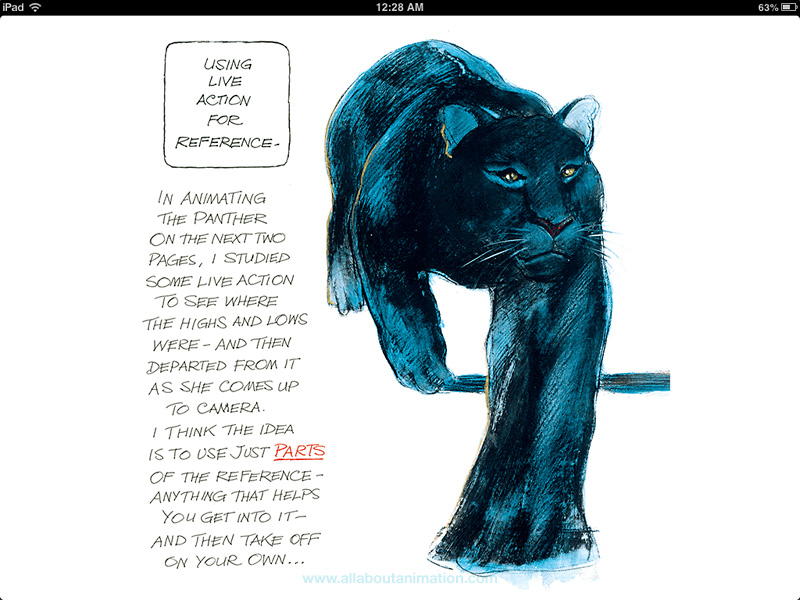
One of the biggest advantages of the iPad app is that it makes the knowledge very accessible. Carrying the iPad sure beats lugging around the really heavy book. The iPad actually allows you to take Richard Williams with you whether you chose to learn at home, in the park or while traveling!
I would highly recommend the app especially to aspiring animators in India who have the talent and the inclination to learn but cannot afford to enrol in expensive courses. Also to those who currently attend animation institutes that teach you the animation software but completely overlook the foundation – the art of animation. Whether you are a classical, CG, stop motion or Flash animator, the basic principles of animation are the same and The Animator’s Survival Kit covers everything there is to know. The app costs just USD35 / INR 1900 and honestly, is worth much, much more.
To recap:
The app contains:
- the complete ‘Expanded Edition’ of ‘The Animator’s Survival Kit’
- over 100 animated examples from ‘The Animator’s Survival Kit Animated’ DVD box set, scrubbable frame-by-frame
- ‘onion-skinning’ functionality on selected animated examples, showing previous and following frames live
- previously unreleased animations by Richard Williams, including a 9-minute film, ‘Circus Drawings’
- new pieces-to-camera from Richard Williams to put the app in context
If you are not convinced as yet, you might want to try out the free sample version. It gives you an actual feel of what is in the complete app and has:
- two full chapters from ‘The Animator’s Survival Kit’ – ‘More on Spacing’ and ‘Dialogue’
- 14 animated examples from ‘The Animator’s Survival Kit Animated’ DVD box set, scrubbable frame-by-frame
[ A big thank you to Imogen Sutton for the opportunity to review the app ]